Floral Bouquet: A Timeless Touch for Modern Design and Decor
In a world increasingly shaped by digital minimalism and fast-paced lifestyles, the floral bouquet has emerged as a soft, grounding presence in both physical and visual spaces. Whether used in interior design, branding, or personal expression, floral arrangements—especially those in soothing pastel tones—offer a balance between nature and modernity. Their growing popularity reflects a broader cultural shift toward warmth, authenticity, and emotional well-being.
The Evolution of Floral Bouquets in Contemporary Spaces
Historically, floral bouquets were reserved for special occasions—weddings, anniversaries, and celebrations. Today, they’ve found a permanent place in everyday environments. This evolution is partly due to changing consumer preferences and the rise of lifestyle-focused content on platforms like Pinterest and Instagram. People are now more open to integrating floral elements into their homes, workspaces, and even digital designs as a way to enhance mood and aesthetics.
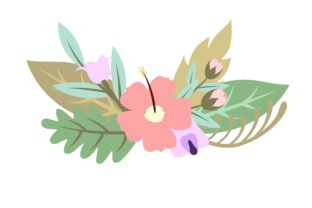
The simple floral bouquet in a pastel color palette has become particularly favored for its versatility. Unlike bold or vibrant arrangements, pastel bouquets blend easily into modern interiors without overwhelming the space. They align with the current trend of muted tones and organic textures, which emphasize calm and clarity in design.
Why Pastel Floral Bouquets Resonate with Modern Designers
Designers and decorators are increasingly drawn to simple floral bouquets in pastel color palettes for their ability to complement a wide range of styles—from Scandinavian minimalism to bohemian chic. These bouquets act as subtle statement pieces that add warmth and life without demanding too much attention. They’re also ideal for transitional seasons, where a pop of color can refresh a space without clashing with existing decor.
- Soft pinks evoke a sense of tenderness and femininity.
- Blush peaches bring warmth and energy without being overpowering.
- Muted lavenders offer a calming, almost meditative presence.
These hues work well in both residential and commercial settings, making them a go-to choice for event planners, boutique owners, and home stylists alike.
Practical Applications Across Industries
From branding to interior design, the influence of floral bouquet aesthetics is expanding. Here’s how different fields are incorporating this concept:
- Interior Design: Pastel floral arrangements are used to add texture and color depth to neutral spaces. They pair well with natural wood tones and soft fabrics, creating a cohesive and inviting environment.
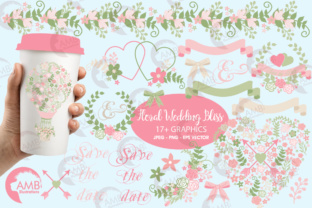
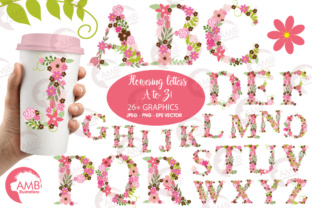
- Graphic Design: Designers are integrating floral elements into digital assets, using soft floral motifs in pastel tones to evoke emotion and elegance in branding materials, websites, and social media templates.
- Retail and E-commerce: Brands selling wellness products, stationery, and lifestyle goods often feature floral bouquet visuals in their packaging and marketing to convey softness and care.
These applications are not just aesthetic—they’re strategic. The floral bouquet has become a symbol of approachability and mindfulness, qualities that resonate with today’s conscious consumers.
How to Incorporate Floral Bouquets into Everyday Design
Whether you're a professional designer or someone looking to refresh your personal space, there are practical ways to integrate floral elements without overdoing it:
- Use floral bouquets as accent pieces rather than focal points. Place them on side tables, shelves, or entryway consoles for a gentle visual lift.
- Pair with neutral tones to let the bouquet stand out without creating visual clutter.
- Experiment with dried or faux bouquets if you prefer a longer-lasting option that still offers the same aesthetic appeal.
For digital creators, consider using pastel floral patterns in background elements, social media stories, or blog graphics. These touches can enhance the emotional tone of your content without distracting from your message.
The Emotional Impact of Floral Elements
Studies have shown that exposure to natural elements, including flowers, can reduce stress and improve mood. In today’s high-tech world, where screen time dominates daily life, the presence of a simple floral bouquet can act as a small but meaningful reminder of the natural world. This emotional benefit is one reason why more professionals are incorporating floral design into both physical and virtual environments.
Workspaces that include floral elements often report higher employee satisfaction and creativity. Similarly, homes that feature natural decor tend to feel more welcoming and restorative. Whether real or stylized, floral motifs serve as a bridge between nature and modern living.
Floral Bouquets in the Age of Sustainability
As sustainability becomes a core value for consumers and businesses alike, the floral industry is also evolving. More people are opting for locally sourced, seasonal flowers to reduce environmental impact. The floral bouquet is no longer just about beauty—it’s about intentionality and responsibility.
This shift has also influenced how bouquets are designed. Simple, minimal arrangements are replacing overly elaborate ones, aligning with the broader trend toward mindful consumption. A pastel floral bouquet made from native flowers and biodegradable wrapping not only looks good but also supports eco-conscious values.
Choosing the Right Bouquet for Your Space or Brand
Selecting the right floral arrangement involves more than just picking colors you like. Consider the following factors:
- Color harmony: Choose a bouquet that complements your existing color scheme. Pastel tones work well with whites, greiges, and light woods.
- Scale and proportion: A large bouquet might overwhelm a small space, while a tiny arrangement could get lost in a wide room.
- Message and mood: Soft, flowing bouquets tend to evoke calm and romance, while structured ones suggest order and professionalism.
For brands, selecting a floral motif that aligns with your brand personality can enhance visual storytelling. A wellness brand might opt for lavender and sage tones, while a creative studio could use peach and blush tones to convey warmth and inspiration.
The Future of Floral Bouquets in Design
Looking ahead, the role of floral bouquets in design is likely to expand even further. As hybrid workspaces become the norm and digital content continues to prioritize emotional connection, the need for organic, soothing visuals will only grow. Expect to see more creative interpretations of the simple floral bouquet in pastel color palette across both physical and digital platforms.
However, the future isn’t about more floral—it’s about smarter floral. Consumers and creators are seeking meaningful, sustainable, and versatile floral elements that enhance life without excess. This shift will continue to shape how we design, decorate, and connect with our environments.