Watercolour Floral Clipart: A Versatile Design Resource
What is Watercolour Floral Clipart?
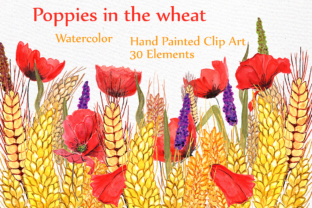
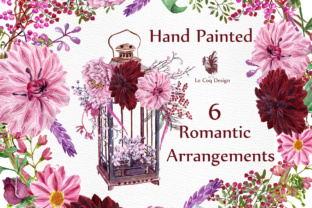
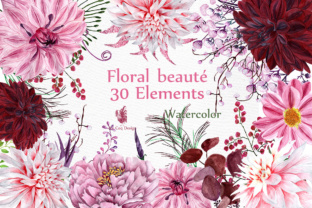
Watercolour Floral Clipart refers to digital illustrations of flowers and botanical elements created using traditional watercolour painting techniques. These images are scanned and saved in high-resolution formats—often PNG at 300 dpi—to preserve detail and transparency. The clipart typically includes hand-painted elements such as peonies, roses, leaves, vines, and other floral motifs. These are commonly used in design projects that benefit from a soft, artistic aesthetic, particularly in wedding-related materials and DIY crafts.
Why People Choose Watercolour Floral Clipart
Many individuals and small business owners turn to watercolour floral clipart for its unique blend of elegance and accessibility. Unlike vector graphics or stock photographs, watercolour illustrations offer a tactile, organic feel that resonates with audiences seeking authenticity. Whether used in wedding invitations, greeting cards, packaging, or blog graphics, these elements add a personal touch that aligns well with modern design trends.
Designers and non-designers alike appreciate the flexibility of clipart sets that include around 30 high-quality PNG files. These collections often feature a cohesive theme, making it easy to create visually harmonious layouts without the need for advanced illustration skills.
Key Benefits of Using Watercolour Floral Clipart
- High Visual Appeal: Hand-painted textures and soft edges create a natural, artistic look.
- Easy to Use: PNG files with transparent backgrounds can be layered and resized without quality loss.
- Time-Saving: Pre-designed elements eliminate the need to create artwork from scratch.
- Consistent Style: Sets are often designed to work together, ensuring a unified appearance across designs.
- Print and Digital Compatibility: 300 dpi resolution ensures crisp printing for physical materials, while digital use remains clear and scalable.
Considerations and Tradeoffs
While watercolour floral clipart offers many advantages, it’s important to weigh its suitability for your specific project. One potential limitation is customization. Since clipart is pre-made, users cannot easily alter individual components like color or shape without advanced editing skills. This may reduce flexibility compared to vector-based graphics.
Additionally, while many sets are designed with weddings in mind, they may not always align with more modern or minimalist aesthetics. Those seeking ultra-clean or geometric designs may find watercolour elements too soft or decorative for their needs.
Another consideration is licensing. It’s crucial to verify whether the clipart can be used for commercial purposes, especially if you plan to incorporate it into products for resale. Always review the usage terms provided by the creator or marketplace.
When Watercolour Floral Clipart is a Strong Fit
This type of clipart excels in projects that require a warm, romantic, or vintage-inspired look. It’s particularly well-suited for:
- Wedding Invitations: Peonies and roses are popular motifs in wedding design, and watercolour clipart provides an elegant, timeless appearance.
- DIY Crafts: From handmade cards to wall art, clipart can be printed and incorporated into physical projects with ease.
- Branding Materials: Small businesses, especially those in lifestyle, wellness, or artisanal niches, can use these visuals to convey authenticity and warmth.
- Blog Graphics: Content creators can enhance visual storytelling with soft, engaging illustrations that complement written material.
When Alternatives May Be Worth Considering
There are scenarios where other design resources might better serve your needs. For example:
- Custom Illustrations: If you need one-of-a-kind visuals that reflect a specific brand identity, commissioning original artwork may be more effective.
- Vector Graphics: For scalable, editable elements that can be recolored and reshaped, vector files (like SVG or AI) offer greater flexibility.
- Photography: When realism is key, high-quality floral photographs can provide a more lifelike alternative to painted illustrations.
- Stock Graphics: For those with limited budgets or time, royalty-free graphic libraries may offer broader variety and easier licensing terms.
Making the Right Choice for Your Project
Selecting the right visual assets involves evaluating your project’s goals, timeline, and intended audience. Ask yourself the following questions:
- What is the overall design style? Does it lean toward organic, handcrafted, and romantic? If yes, watercolour clipart could be ideal.
- Do you need full customization? If you plan to modify elements significantly, consider vector graphics or custom illustration instead.
- What is your skill level? Clipart is beginner-friendly and works well with tools like Canva, Photoshop, or Illustrator.
- How will the design be used? For print, ensure the resolution (like 300 dpi) is appropriate. For digital use, PNG files are generally sufficient.
- Is there a commercial component? Confirm licensing terms before using clipart in any product or service offered for sale.
Final Thoughts
Watercolour Floral Clipart offers a compelling combination of artistry and practicality. With 30 high-quality PNG elements at 300 dpi, users gain access to professionally crafted visuals that can elevate a wide range of creative projects. While it may not be the best solution for every design challenge, it is particularly effective in wedding-related materials, DIY crafts, and branding efforts that benefit from a soft, hand-painted aesthetic.
Ultimately, the decision to use watercolour floral clipart should be based on how well it aligns with your design goals, technical capabilities, and intended audience. By carefully considering these factors, you can make an informed choice that supports both your creative vision and practical needs.